
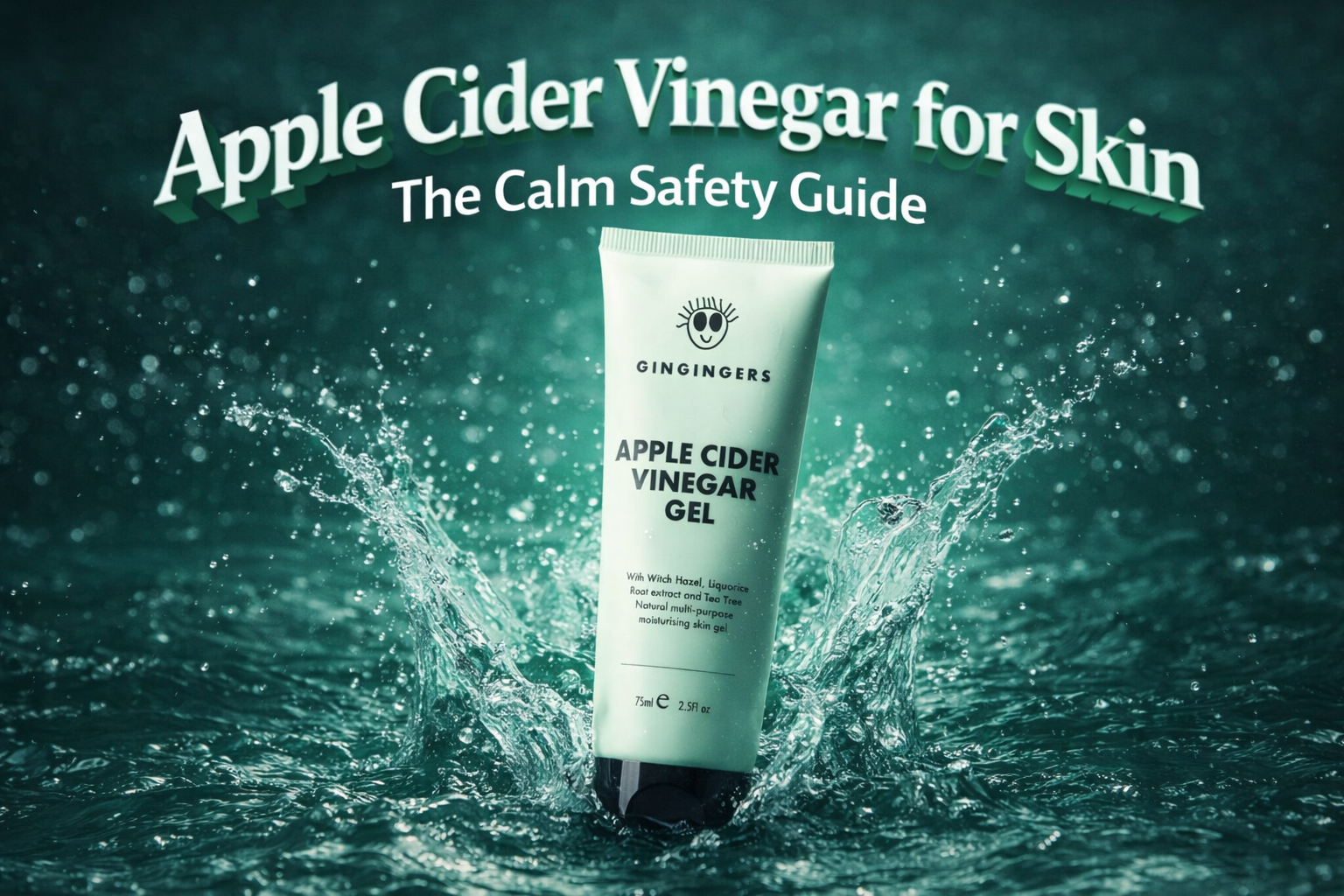
Apple Cider Vinegar for Skin: The Calm Safety Guide
Let’s start with the truth nobody puts on a Pinterest graphic.
If apple cider vinegar makes your skin sting, burn, turn pink like a startled flamingo, or whisper “why have you done this to me?” that is not detox. That is your skin filing a polite but firm complaint.
Somewhere between TikTok routines filmed at midnight and advice that begins with “my aunt swears by this”, apple cider vinegar for skin became both wildly popular and wildly misunderstood. This blog exists to put some calm, facts, humour, and common sense back into the conversation; especially for UK skin dealing with cold weather, central heating, hard water, and real life.
No fear-mongering.
No miracle nonsense.
No pretending pain equals results.
Just smart skincare with manners.
Why Apple Cider Vinegar Became a Skincare Obsession
Search data shows that interest in apple cider vinegar for skin, apple cider vinegar skincare UK, and apple cider vinegar gel for skin has steadily increased over the last five years. In the UK, searches peak during autumn and winter - precisely when skin barriers are weaker due to low humidity, colder temperatures, and indoor heating.
Apple cider vinegar contains acetic acid, which research has shown to have antimicrobial properties at certain concentrations. That’s why vinegar has been historically used for preservation and cleansing. The problem is not the ingredient. The problem is the leap from “controlled lab conditions” to “let’s put this straight on my face”.
Popularity doesn’t equal suitability. (Again: low-rise jeans.)
Skin pH vs Apple Cider Vinegar pH (Numbers Matter)
Healthy human skin typically sits at a pH of around 4.5 to 5.5. This slightly acidic environment supports the skin barrier, helps regulate moisture loss, and keeps the skin microbiome balanced.
Apple cider vinegar usually measures between pH 2 and 3.
That’s not a small difference. That’s a big one.
This gap explains why people search for why does apple cider vinegar burn my skin, ACV skin irritation, apple cider vinegar redness on face, and is tingling normal with ACV on skin.
When acidity overwhelms the skin barrier, irritation isn’t a failure - it’s biology.
Is Apple Cider Vinegar Actually Safe for Skin?
The honest, grown-up answer is “sometimes”.
Apple cider vinegar can be tolerated on skin when the concentration is controlled, the delivery method slows absorption, and the frequency is limited. Raw apple cider vinegar straight from the bottle is unpredictable and highly concentrated. Clinical case reports have documented chemical irritation and burns from undiluted vinegar applied to skin, particularly when left on for extended periods.
This is why “DIY ACV skincare” so often becomes “ACV skin damage” on Google.
Skin doesn’t respond well to chaos. It responds well to consistency.
Patch Testing: The Most Boring Step That Saves the Most Skin
Dermatology guidance consistently recommends patch testing when introducing acidic or active ingredients. A simple patch test can reduce the risk of widespread irritation by catching reactions within 24 hours instead of across your entire face.
In the UK, this matters even more. Cold weather, wind exposure, hard water, and indoor heating all weaken the skin barrier, making irritation more likely. This is why UK searches for sensitive skin reactions and ACV irritation spike seasonally.
Patch testing answers one question only: how does your skin react?
Not TikTok’s. Not Pinterest’s. Yours.
Tingling, Redness & Burning: Let’s Translate Skin Language
Mild awareness that fades quickly can be normal.
Redness lasting longer than 15–20 minutes suggests irritation.
Tingling that intensifies means stop.
Burning, stinging, or pain means stop immediately.
Clinical literature consistently treats burning as a sign of barrier disruption, not effectiveness. Burning is not detox. Burning is not progress. Burning is your skin asking for less intensity, not more courage.
“But It’s Natural” Is Not a Safety Guarantee
One of the most common misconceptions in skincare is that natural ingredients are automatically gentle. In reality, many natural substances; including vinegar, citrus extracts, and essential oils; are common triggers for irritant contact dermatitis.
Apple cider vinegar is powerful.
Powerful things need boundaries.
That’s why searches for organic apple cider vinegar skincare often sit right next to searches for skin irritation and redness. The intention is good. The execution is where things go sideways.
Why We Didn’t Just Bottle Vinegar and Call It Skincare
At GinGingers, we didn’t ask how to make apple cider vinegar trendier. We asked how to make it usable on a random Tuesday without regret.
That meant controlled concentration instead of raw vinegar, a gel format instead of a fast-moving liquid, and supporting ingredients chosen to respect the skin barrier. Slower delivery matters because it gives skin time to respond instead of react.
This approach is especially relevant for people searching apple cider vinegar gel for sensitive skin, apple cider vinegar skincare UK, COSMOS certified apple cider vinegar gel, cruelty-free apple cider vinegar skincare, and safe apple cider vinegar skincare product.
Skincare should feel supportive, not like a challenge.
A Sensible Next Step (If You’re Curious, Not Reckless)
If you’re UK-based and exploring apple cider vinegar skincare
Consider controlled formulations rather than DIY experiments, always patch test, and choose products designed for skin rather than kitchens.
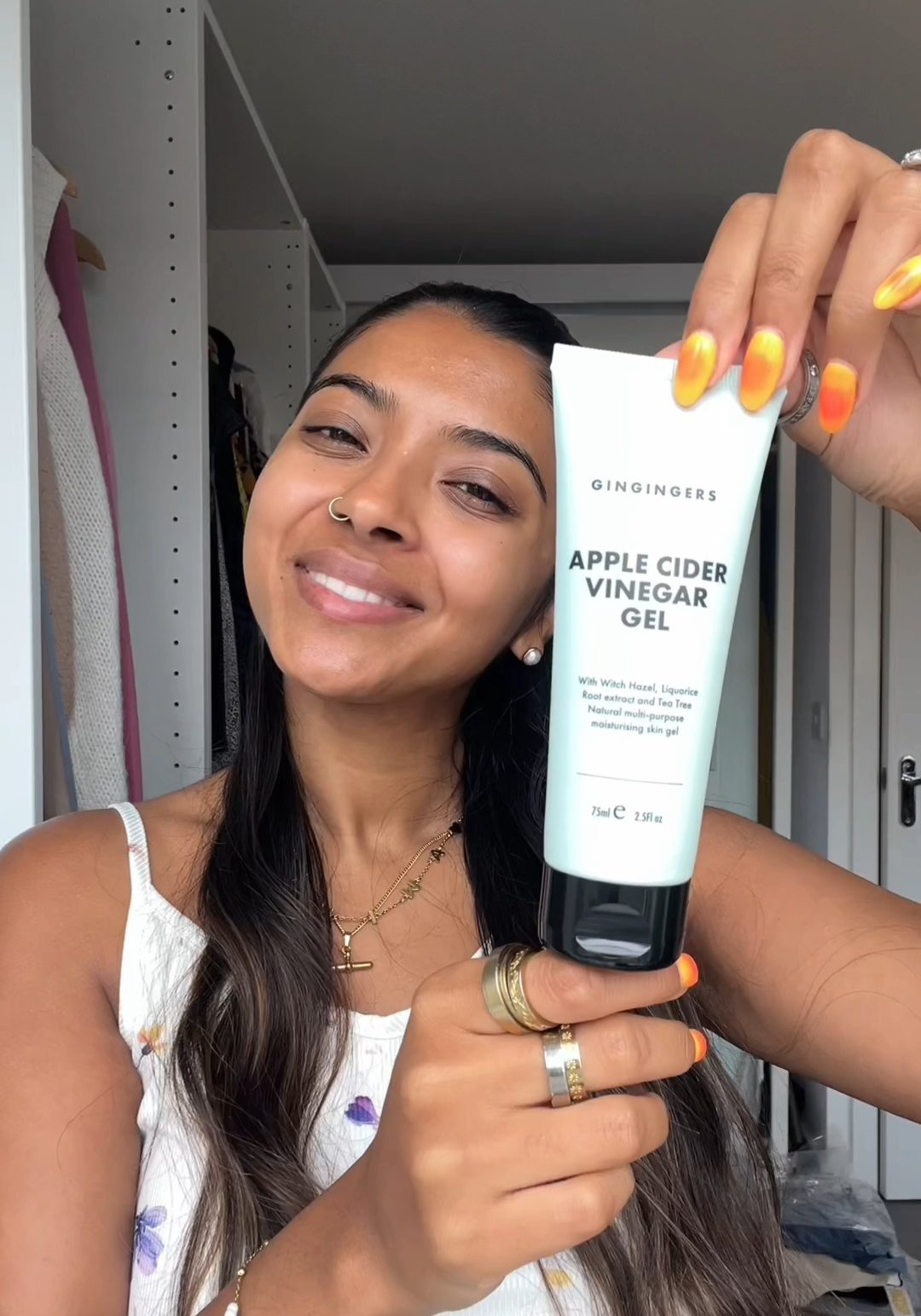
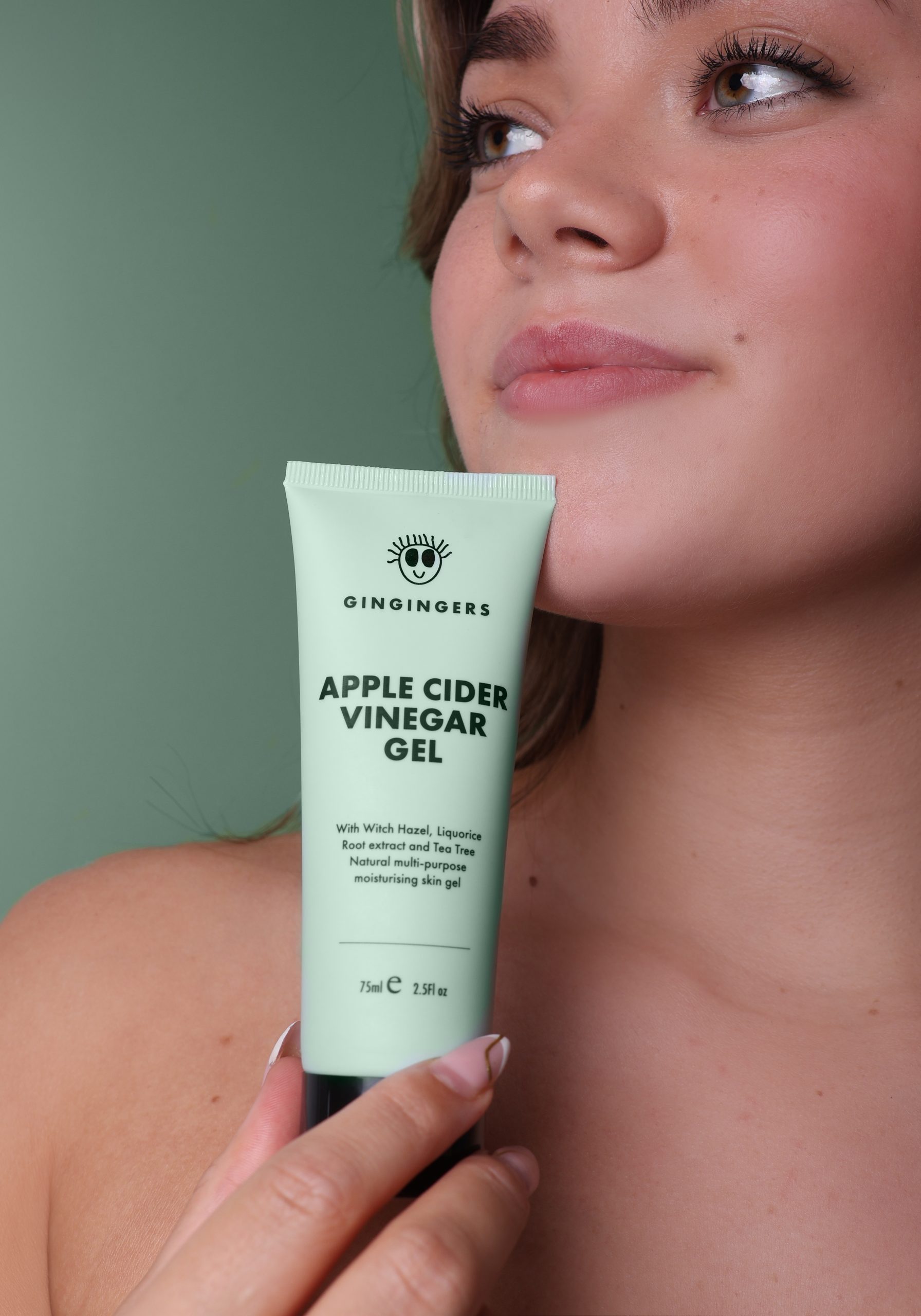
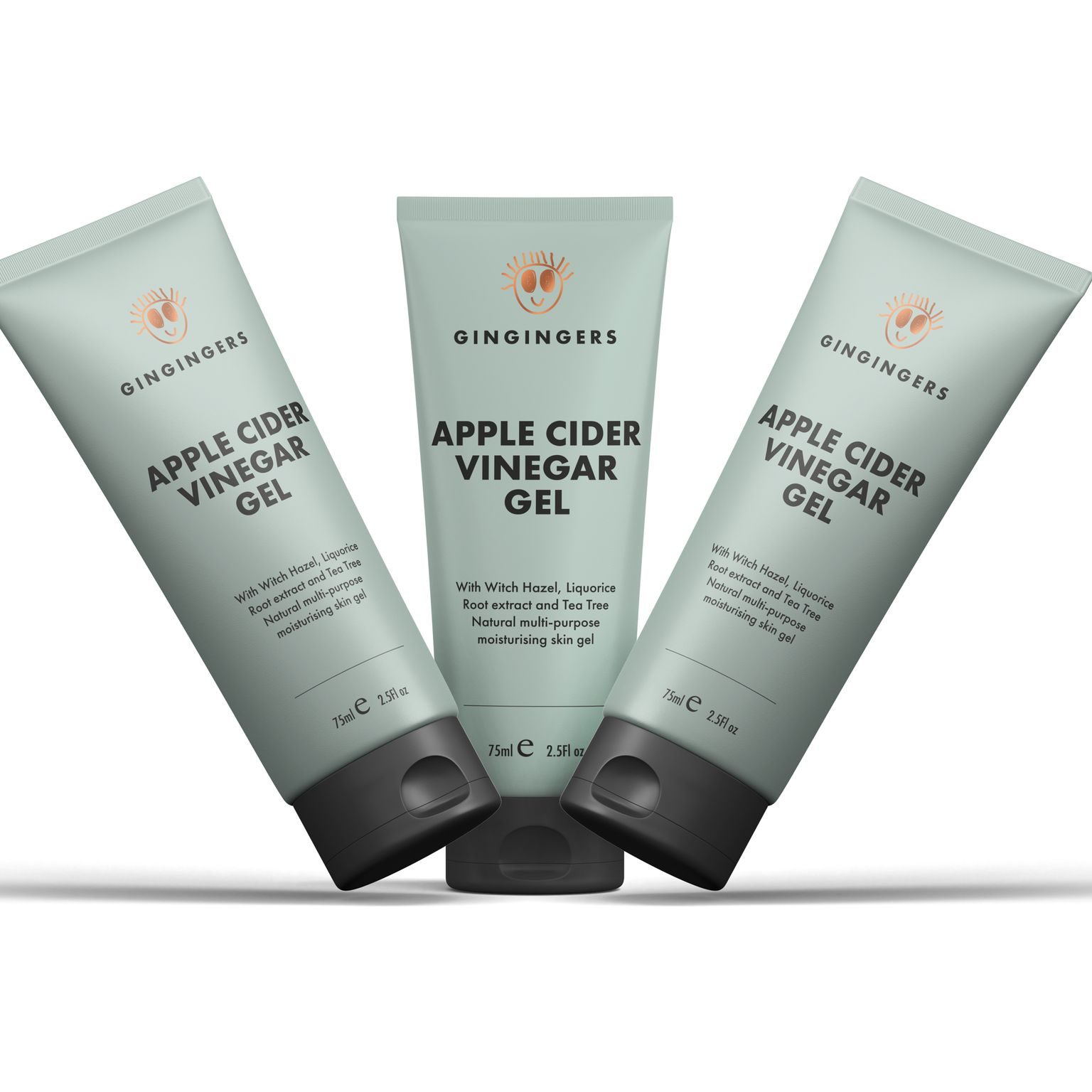
GinGingers Apple Cider Vinegar Gel is made in the UK, COSMOS-certified, cruelty-free, and formulated to respect the skin barrier while still delivering the benefits people look for in apple cider vinegar skincare.
No hype.
No heroics.
Just skincare that minds its manners.